Imagine a parallel world. A world where the promise of financial freedom. The dream of a decentralized economy has quietly been repackaged, regulated, and sold back to the same people who once fought to escape it.
That world isn’t far from ours. It’s already forming.
From Rebellion to Regulation
When Bitcoin first appeared in January of 2009, it wasn’t just a currency, it was a movement. It symbolized the idea that money could exist without masters, that code could replace central banks, and that individuals could hold value without permission.
It was pure, digital rebellion.
But as every rebellion meets reality, crypto too found itself surrounded by the institutions it sought to dismantle. The very system it wanted to bypass is now integrating it; not to liberate finance, but to domesticate it.
The New Order of Controlled Decentralization
In this parallel world (perhaps not so parallel after all) governments realize they can’t ban crypto outright. It’s too large, too global, too embedded in digital culture.
So they do something smarter >> they institutionalize it.
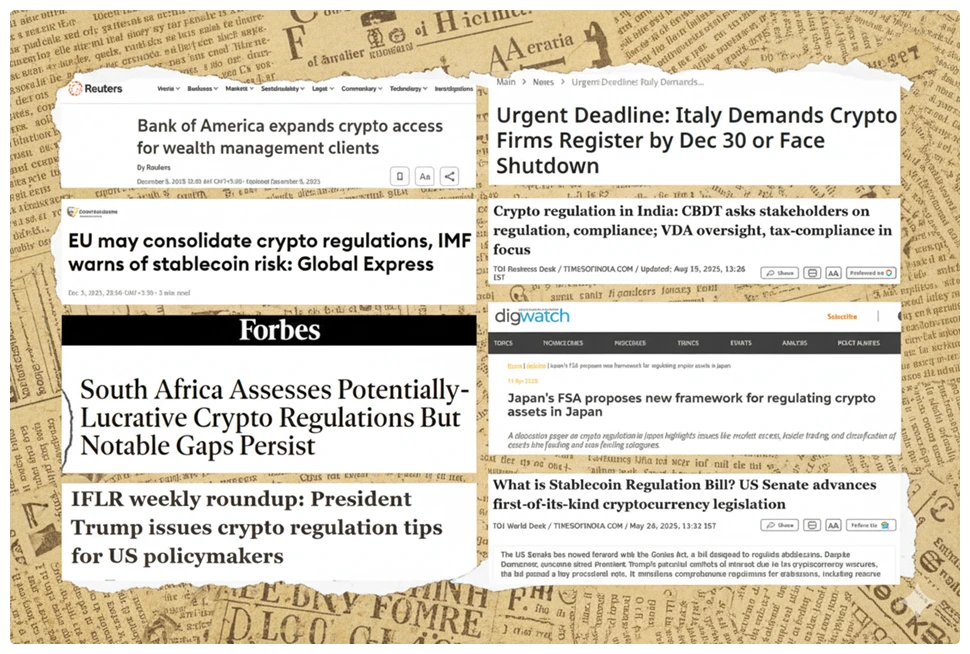
Regulators welcome “innovation.” Central banks launch their own digital currencies. Some sleek, government approved tokens that promise stability while quietly tracking every transaction. Banks start offering “crypto accounts.” Funds package digital coins into ETFs. Exchanges get licenses. Compliance becomes the new decentralization.
Retail investors cheer, thinking this is progress. But what’s really happening is a controlled assimilation.
The Revolution Became a Product
Soon, the decentralized dream feels eerily familiar.
- Your wallet is now KYC-verified.
- Your crypto transactions are reported for tax.
- Your “private” holdings sit in an institution’s custody.
- And the once-rogue crypto rebels? They now wear suits, sit on panels, and call for “responsible innovation.”
Crypto did not die. It evolved into a regulated commodity, traded, taxed, and tamed.
In this world, decentralization wasn’t destroyed; it was absorbed.
The Forgotten Retailer
But what about the millions of small investors who believed they were part of a financial revolution?
Already marred by countless scandals and collapses from FTX and WazirX to Terra-Luna, Celsius, Voyager, and Mt. Gox, this so-called revolution of an industry has repeatedly been forced to confront the darker side of its own creation.
They watched, invested, and hoped, buying into the narrative of democratized money. Yet, as the system tightened its grip, they realized the rules had changed. Their freedom token had become another asset class.
They didn’t see it coming because revolutions rarely end with a bang. They fade quietly; replaced by systems that look similar but operate under familiar control.
Every 200 Years, a New Mania
History has always repeated this cycle; the Tulip Mania, the Gold Rush, the Dot-Com bubble, each driven by scarcity, excitement, and hope. Crypto was simply the digital-age version. Larger, faster, and more inclusive thanks to smartphones and social media.
The difference this time?
The institutions joined the game before the music stopped.
The Illusion That Keeps Moving
Crypto began as a revolution. It’s becoming infrastructure.
And the dream of a borderless, ownerless economy may slowly morph into a network governed by states, corporations, and algorithms, each ensuring that freedom stays within “approved limits.”
The irony is that the technology worked and it could decentralize finance. But it’s the human need for control that did not change.
Final Thought
Maybe true decentralization was never meant to last. Maybe it was just a mirror showing us what financial freedom could look like, before investors surrendered it for convenience, compliance, and comfort.
In that parallel world, and perhaps in ours, the future of crypto is not a question of technology. It is a question of who gets to define freedom.

Disclaimer: These views stem from our conscious observation and lived experience within modern capitalism. We neither invest in, endorse, nor oppose cryptocurrencies. This is an independent perspective, not financial advice.
Frequently Asked Questions (FAQ)
1. What does “institutional crypto regulation” mean?
It refers to governments and financial institutions controlling, monitoring, and standardizing how crypto is used and traded.
2. How does institutional crypto regulation affect decentralization?
It reduces autonomy by introducing compliance, surveillance, and centralized control over originally open networks.
3. Is institutional crypto regulation good for retail investors?
It offers more legal protection but often limits privacy, freedom, and direct ownership.
4. Can crypto remain truly decentralized under institutional crypto regulation?
True decentralization becomes difficult when institutional frameworks dictate access, custody, and transaction visibility.
5. Why is institutional crypto regulation increasing globally?
Because governments prefer to absorb and manage disruptive systems rather than allow uncontrolled financial alternatives.